
Studio
A room built to tell the truth about a mix.
Zeitgeist Mastering is run by Nicholas D'Ombrain. The studio is based in Australia, working with artists and producers worldwide. The decisions are made on a treated room and a chain chosen for mastering, not for tracking.
The engineer
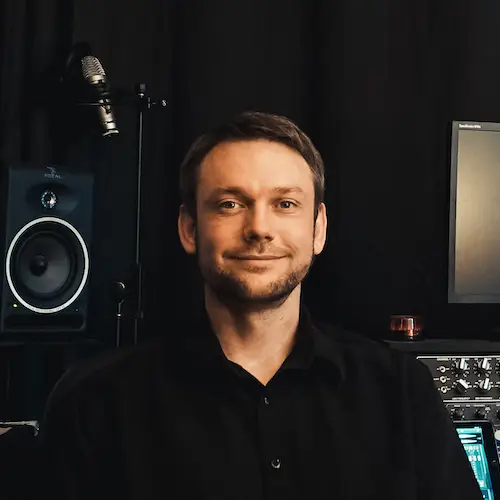
Nicholas D'Ombrain
Nicholas started in sound and lighting for his father’s theatre in 1996. In 2002 he completed an Advanced Diploma in Sound Engineering at RMIT in Melbourne. During that period he was chief sound engineer and station manager at RMITV, Channel 31.
He then worked at Rutledge Audio Visual Engineering, learning studio construction, acoustics and large installations, alongside his own work as a technician and producer. In London he worked alongside studios including LOT49 Recordings / Vibrate, and engineered live sound across the UK.
Electronic music took him to Berlin, which became home. Mastering for local labels became the focus, with working connections to Finyl Tweek in London and Manmade Mastering in Berlin. He has also worked for major production studios including Universal and EMI, and for independent labels.
The published client list is long, and the working method is straightforward: listen properly, change only what the track needs, and stay in contact until the master is the one you can release.
Photographs
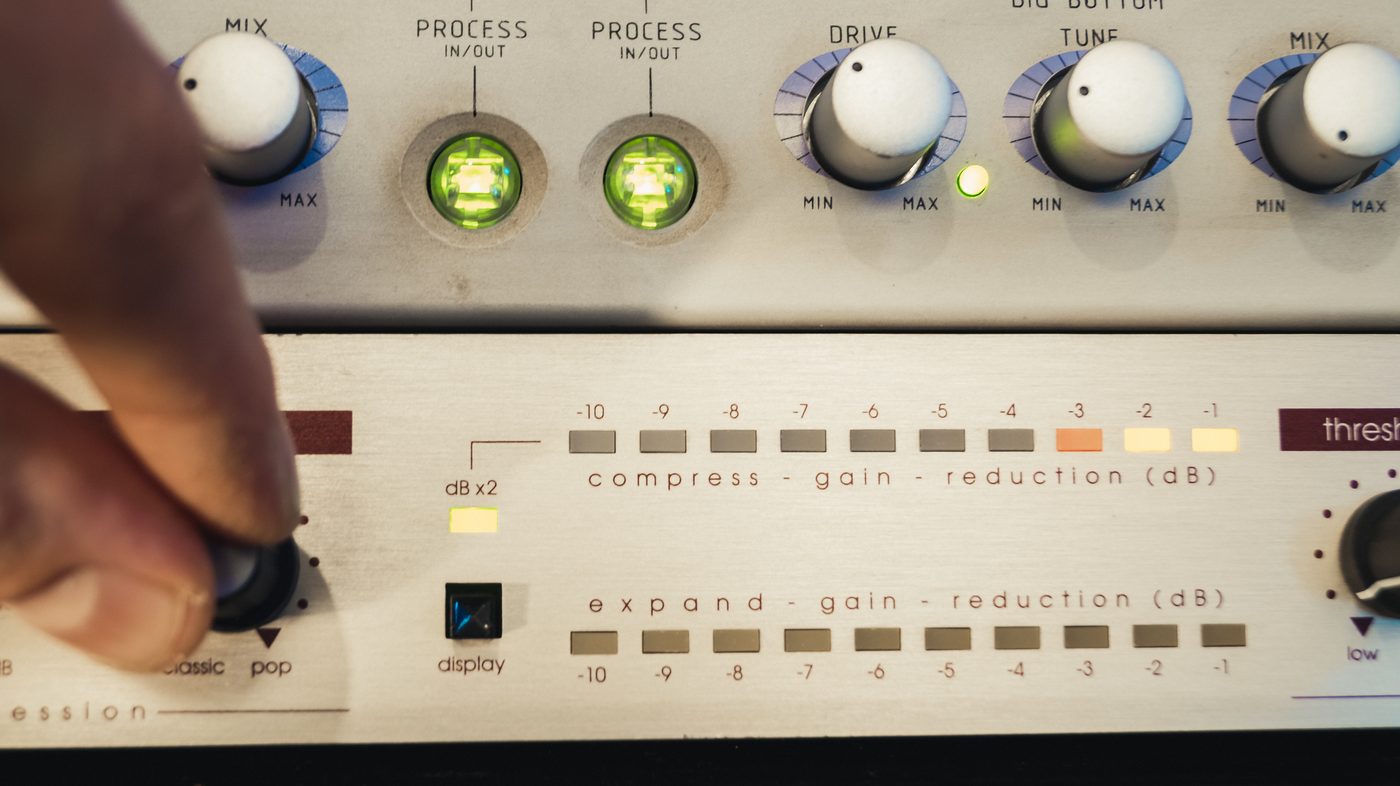
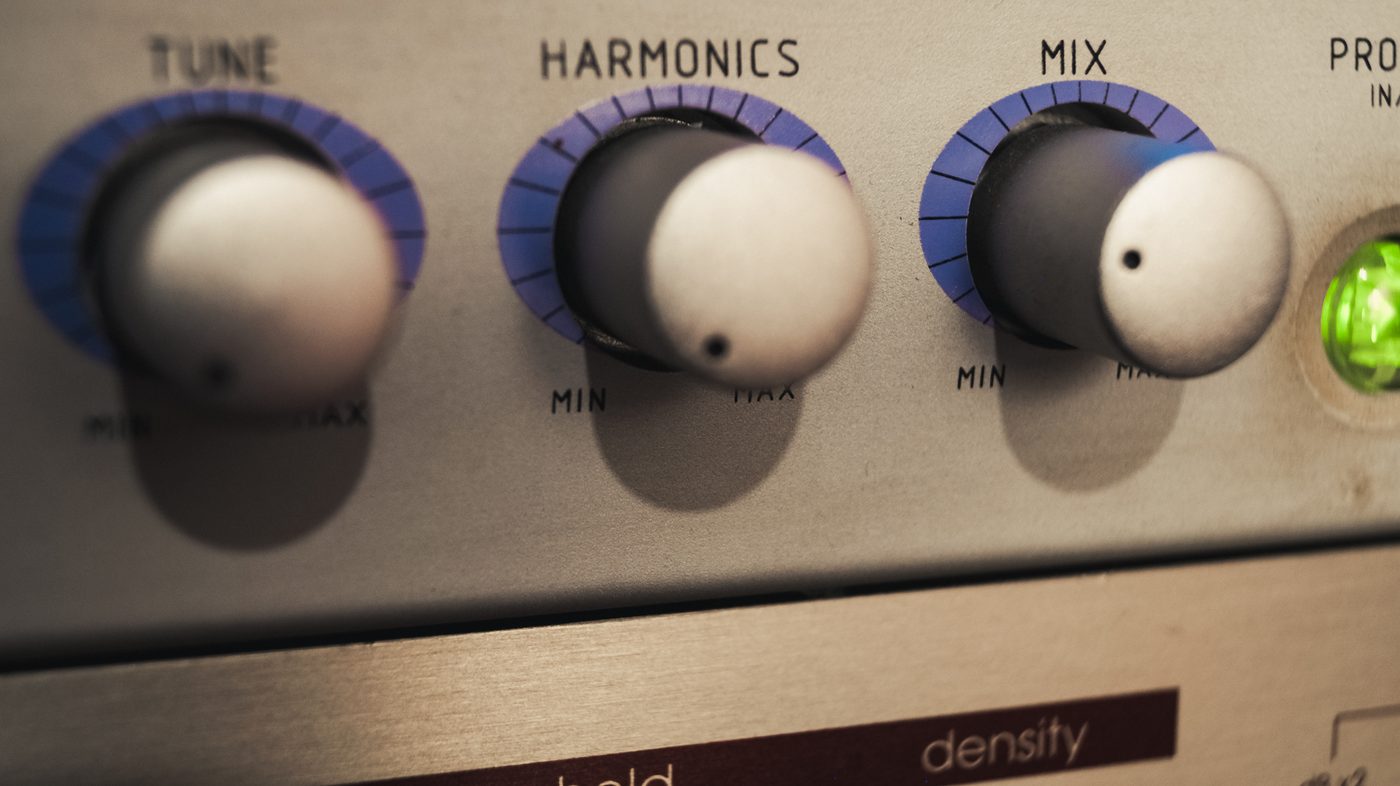
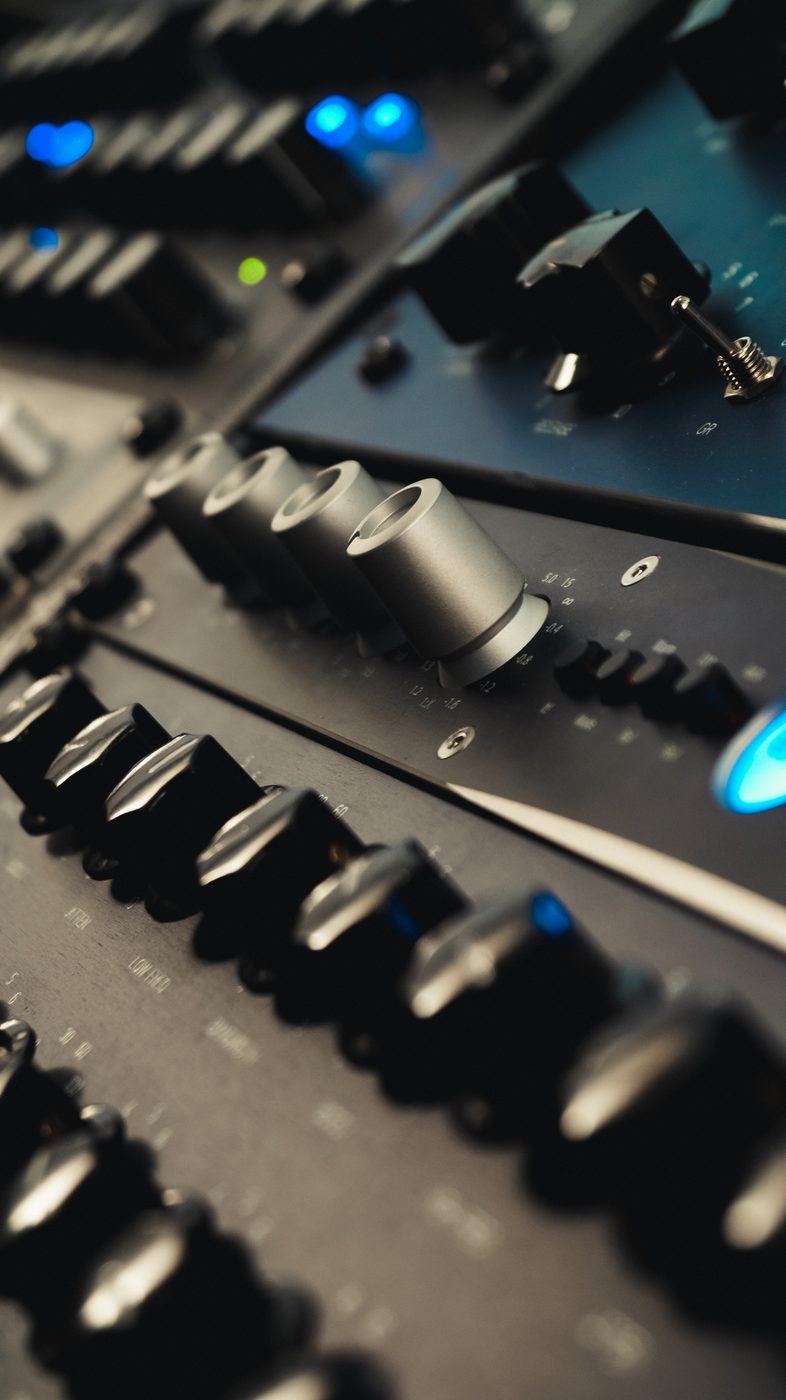
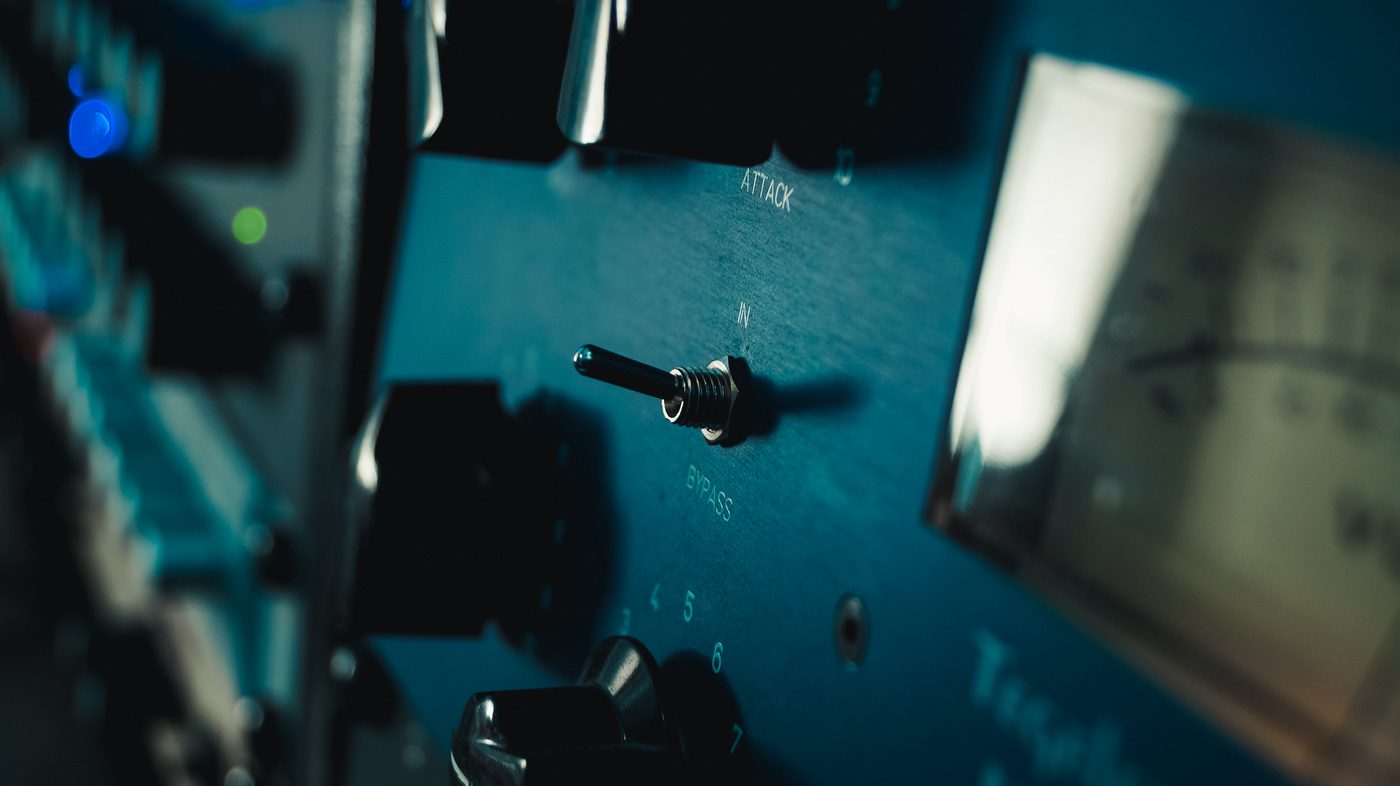
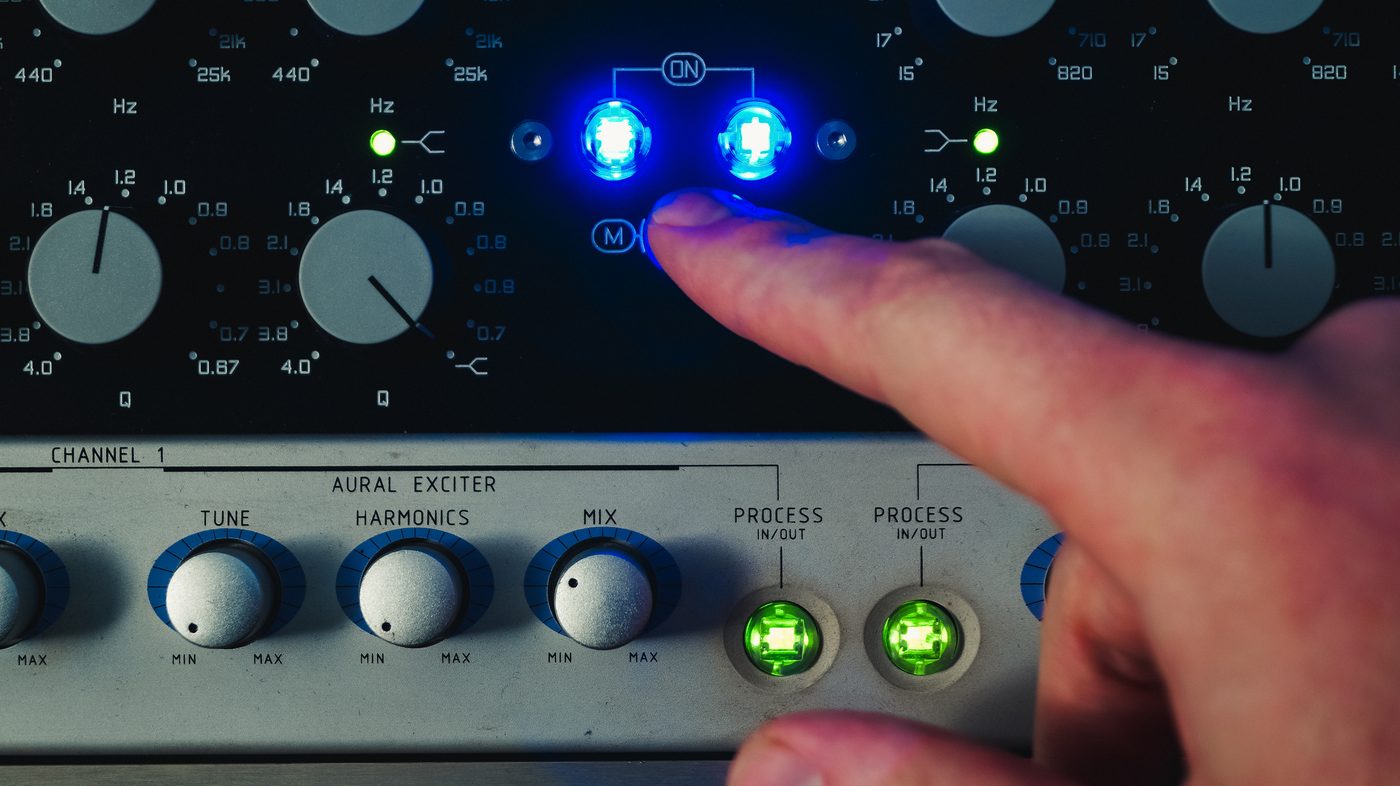
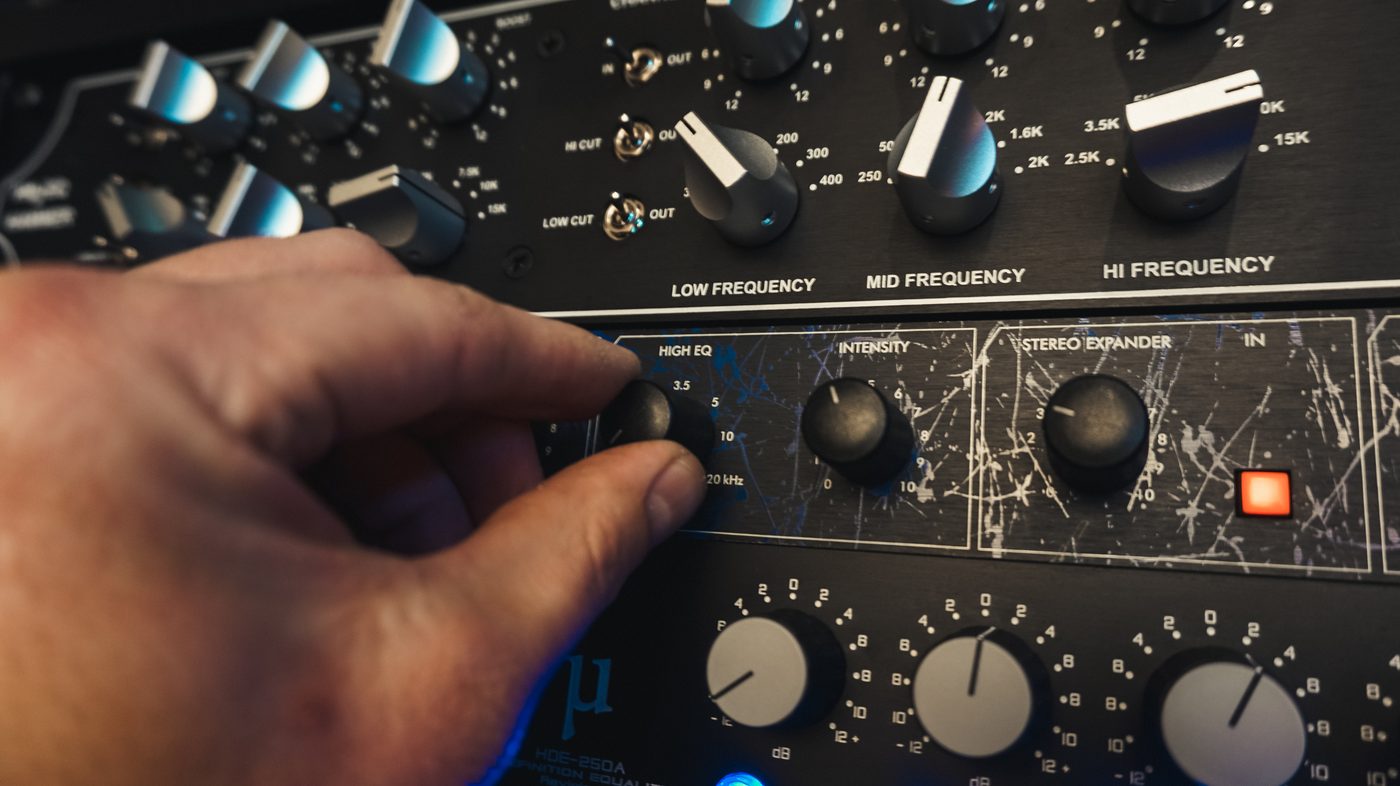
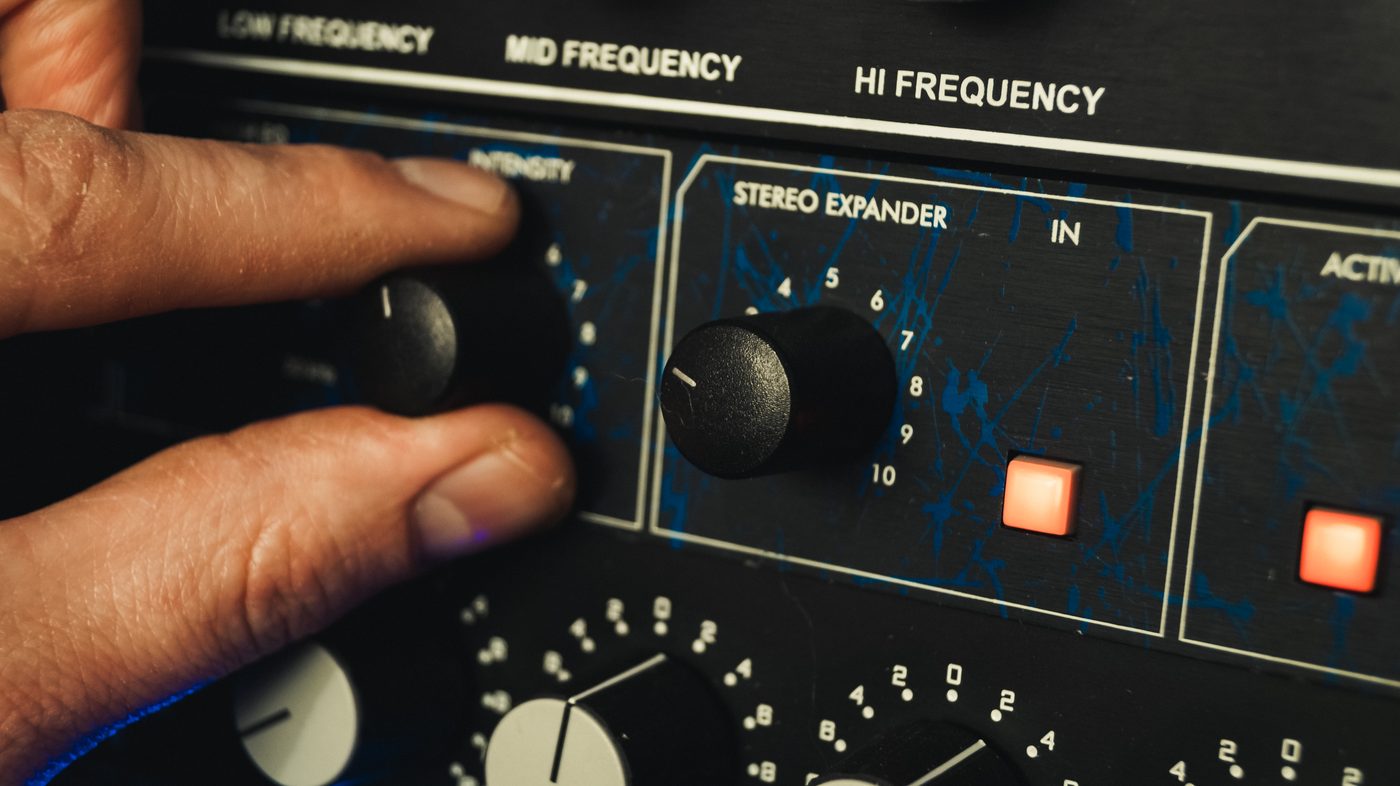
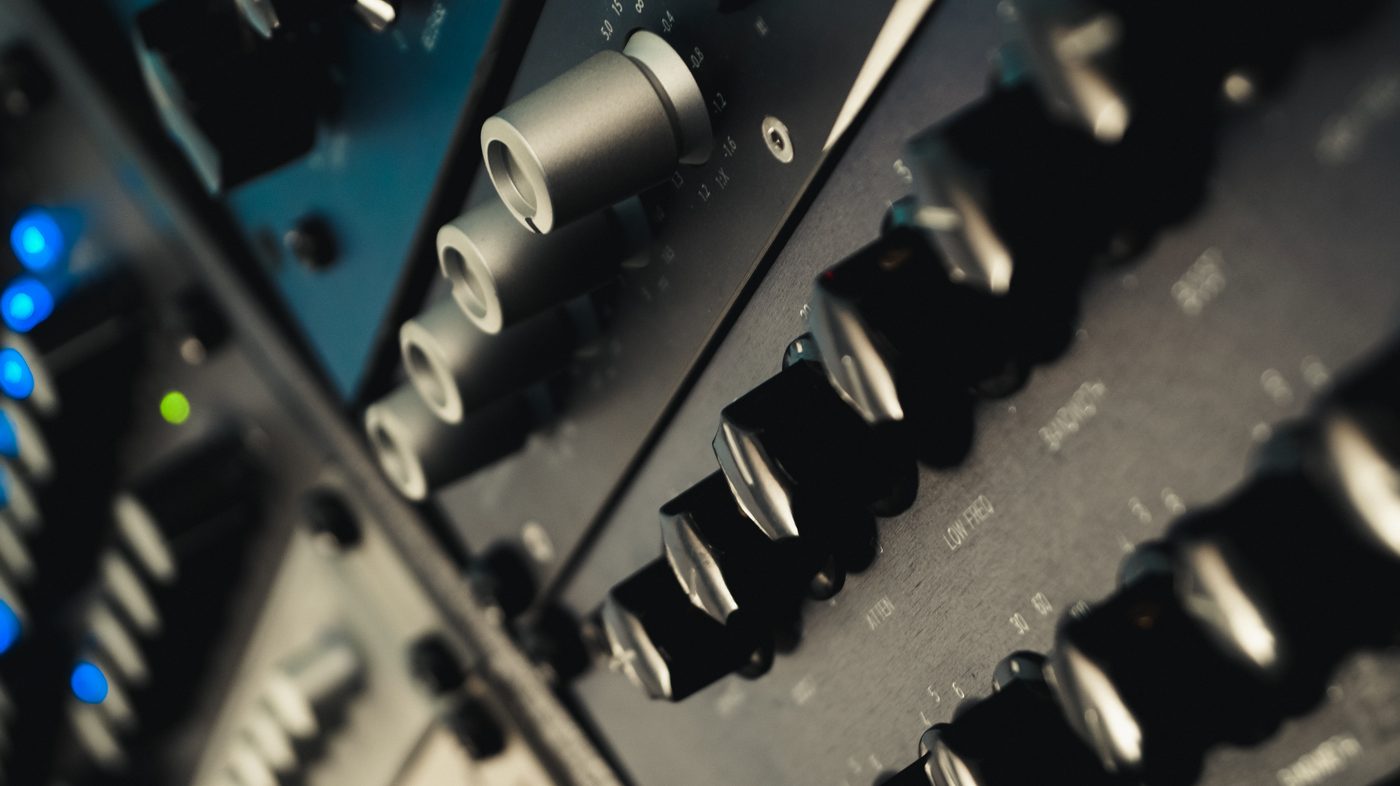
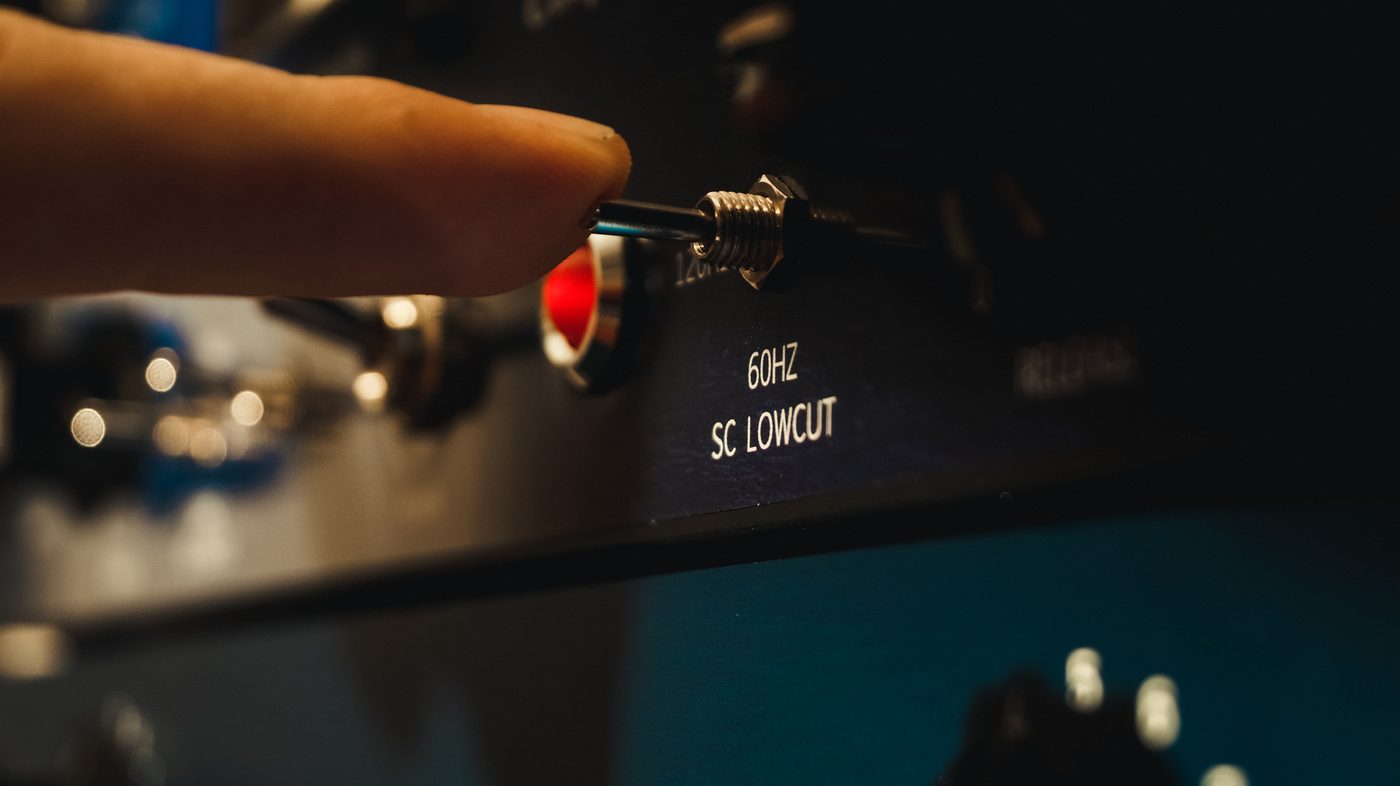
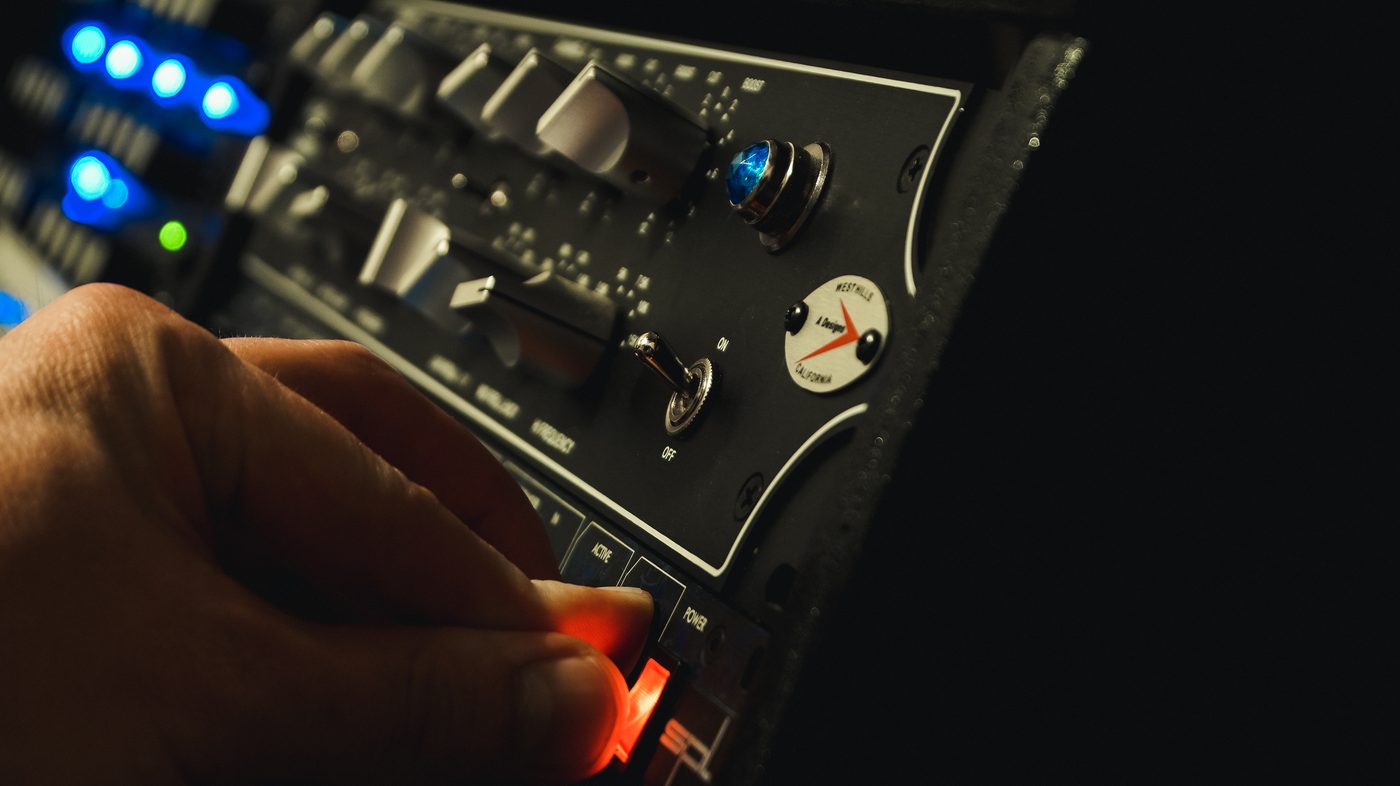
The chain, up close.

The room
Monitoring you can trust
The mastering room is built around acoustic treatment rather than a domestic listening setup. Diffusion, bass trapping, Helmholtz resonators, carefully placed acoustic foam, monitor placement and room analysis are all part of keeping the sound at the listening position honest.
Several pairs of monitors and headphones are used so a master is not approved on a single system. Software version numbers from the previous site have been left off, because they were already historical.
Monitoring & conversion
- Weiss Saracon
- Lynx HILO DAC
- Lucid 88192 AD/DA converter
- Focal SM9 monitors
- KRK V6 Series 2
- KRK RP10s subwoofer
- M-Audio SBX10 subwoofer
- Auratones
- Roland full-range monitors (1979)
Headphones & cabling
- Beyerdynamic DT 770 Pro
- Sennheiser HD 600
- Sennheiser HD 25 II
- AKG K141
- Vovox Link cables
Analogue processing
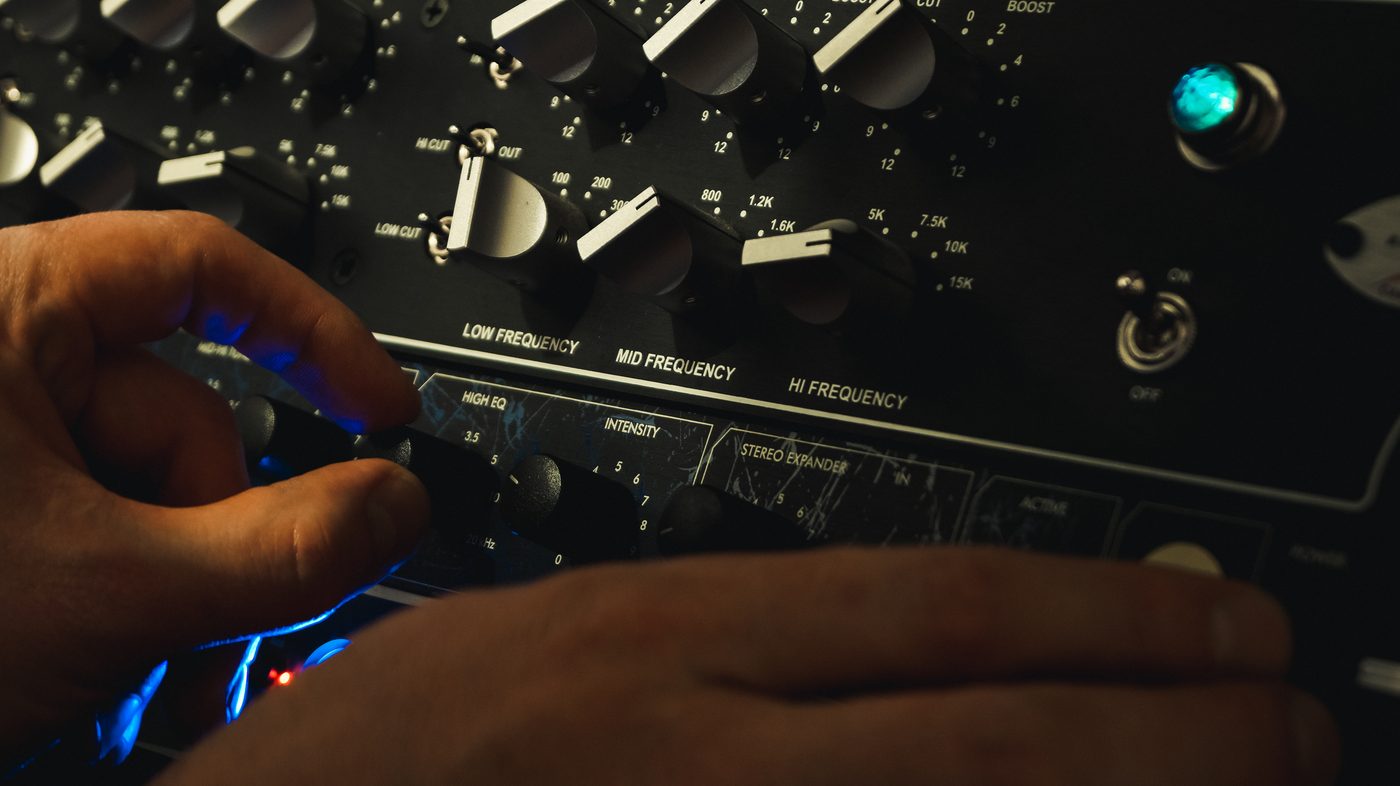
- Custom Audio Germany HDE-250 Mid/Side EQ
- Elysia compressor
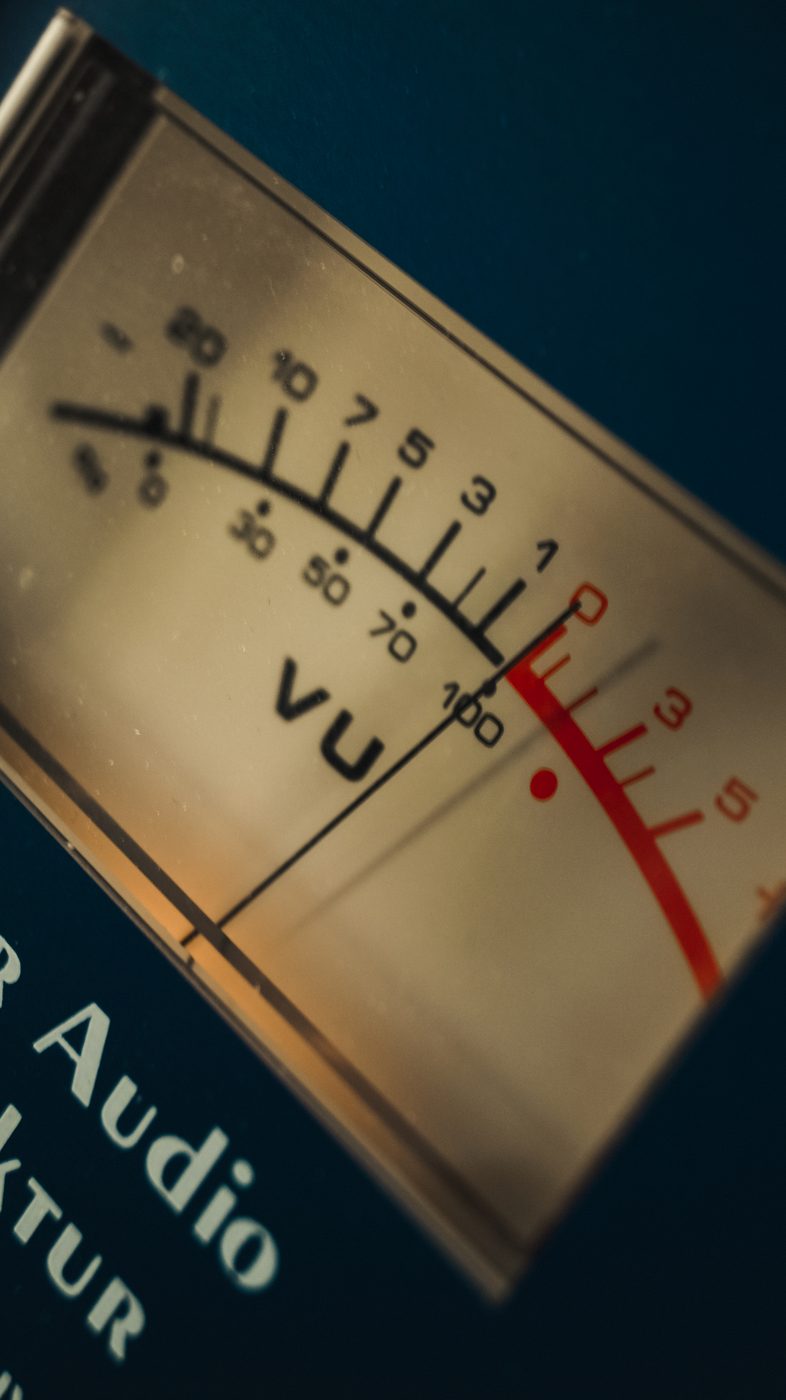
- Tegeler Audio Manufaktur Vari Tube Compressor VTC
- A-Designs Hammer 2 EQ
- Höf Dynamic Master Compressor / Limiter
- API 2500 compressor
- SSL rack with two 502 EQs
- Chilton CM2 parametric EQ
- Aphex Model 204 Aural Exciter and Optical Big Bottom
- SPL Vitalizer
- Aphex 9000 modular system
- Aphex 9301A Compellor, pair
- Aphex 9621 expander / gate
- Aphex 9721 Dominator II, pair
- Lexicon MX200
- Revox A77, 15 ips
Workstations
- Logic Pro
- Steinberg WaveLab
- Steinberg Cubase
- Pro Tools
- Ableton Live
- MAGIX Samplitude
Processing software
- UAD, Waves, Abbey Road
- Brainworx, Softube, Slate
- FabFilter, Sonnox, iZotope
- Flux, Cytomic, Kush, PSP
- Acustica, Sonoris, Voxengo
- TC Electronic, Focusrite, and others
Restoration
- Specialist restoration processing for clipped, noisy or damaged audio
- See the restoration service for what that covers

What the chain is for
Hardware is used where it earns its place: compression with a character, equalisation that does not sound like a plugin preset, and a limiter that can be loud without turning the chorus to paste. Digital tools cover restoration, precision work and delivery formats.
The advertised rate is for a stereo master, made on this chain. Restoration, stem mastering and a full mix are separate work, described with the rates.